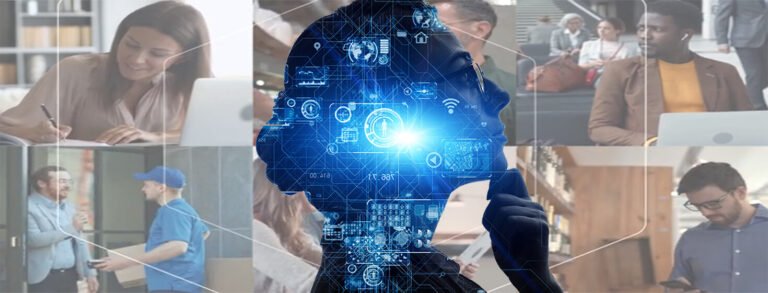

Digital innovation is shaping smarter work environments by integrating sensing, decision, and action across systems for real-time insights. Data-driven governance aligns cross-functional workstreams, accelerating evidence-based choices and reducing friction through feedback loops. Teams operate with transparency, continuous improvement, and ethical automation, while dashboards translate complex metrics into actionable steps. A practical roadmap prioritizes measurable milestones, pilots balance autonomy with accountability, and an outcome-focused culture drives adaptability, wellbeing, and sustainable growth—urging readers to consider what comes next.
What Makes Work Environments Smarter Now
What makes work environments smarter today is the integration of connected systems that sense, decide, and act with minimal human intervention. This shift enables a collaboration mindset that accelerates adaptability, resilience, and innovation. Data-driven insights optimize space, schedules, and workflows, while digital efficiencies reduce waste and latency. Leaders pursue strategic autonomy, guiding teams toward purposeful experimentation and scalable, freedom-driven growth.
How Digital Tools Foster Collaboration and Decision-Making
Digital tools catalyze collaboration and decision-making by surfacing real-time insights, aligning cross-functional workstreams, and enabling rapid, evidence-based choices.
They empower autonomous teams to coordinate across domains, mientras fostering transparent data governance and accountability.
Real time feedback loops drive iterative refinement, reducing friction and accelerating strategic outcomes.
The result is a data-driven ecosystem that supports freedom, clarity, and purposeful, shared progress.
Measuring Impact: Productivity, Culture, and Employee Experience
Measuring impact in digitalized work environments requires a disciplined, data-driven framework that links productivity, culture, and employee experience to strategic outcomes.
The analysis compiles happiness metrics and engagement signals with operational data, revealing how autonomy and collaboration drive performance while spotlighting automation ethics.
This approach forecasts sustainable growth, aligns leadership intent with workforce well-being, and sustains freedom within structured, measurable progress.
A Practical Roadmap to Implement Smarter Work Environments
A practical roadmap for smarter work environments translates ambition into action by aligning technology, processes, and people with clear outcomes. The approach emphasizes measurable milestones, data-driven governance, and iterative pilots, balancing autonomy with accountability.
Frequently Asked Questions
How Secure Are Smart Office Systems Against Cyber Threats?
Smart office systems exhibit robust resilience, yet cybersecurity demands ongoing vigilance. They rely on cyber hygiene and threat modeling to anticipate risks, reduce attack surfaces, and empower freer experimentation within a safeguarded, data-driven, strategic innovation framework.
See also: islye
What Upfront Costs Should Organizations Expect for Implementation?
Akin to a compass guiding explorers, the upfront costs span hardware, software, integration, security, and training. Organizations should model upfront ROI and initial budgeting, anticipating phased investments, ongoing maintenance, and opportunity gains from smarter work environments.
How Do Ethics Shape Ai-Driven Workplace Decisions?
Ethics governance shapes AI-driven workplace decisions by embedding accountability, transparency, and continual oversight; Bias mitigation mechanisms are implemented to prevent discrimination, ensure fair outcomes, and align automation with human-centric values, enabling confident, freedom-valuing stakeholders to trust innovative systems.
Can Smart Offices Accommodate Hybrid or Remote Work Seamlessly?
Smart offices can support hybrid infrastructure and remote collaboration, but seamless integration hinges on interoperable systems, ubiquitous connectivity, and clear data governance; the vision is a flexible, data-driven environment that empowers autonomy while maintaining coordinated operational insight.
What Skills Do Employees Need to Thrive in Smart Environments?
Employees thrive with curiosity-driven skills and adaptability-focused mindsets, continuously learning from data, experiments, and feedback. A visionary, data-driven approach enables autonomous collaboration, strategic decision-making, and resilient communication, empowering individuals to pursue freedom while aligning with organizational goals.
Conclusion
Digital innovation is reshaping work into an ecosystem where sensing, decision, and action operate in concert. As dashboards translate metrics into clear actions, cross-functional governance accelerates evidence-based choices, and pilots test ideas with accountability, organizations gain clarity and velocity. The result is a culture of transparency, continual learning, and ethical automation that scales productivity while safeguarding wellbeing. Like a compass threaded with data, the smarter environment points toward sustainable growth, turning insight into intentional, measurable impact.